Understanding Tapping & Threading Threadbare
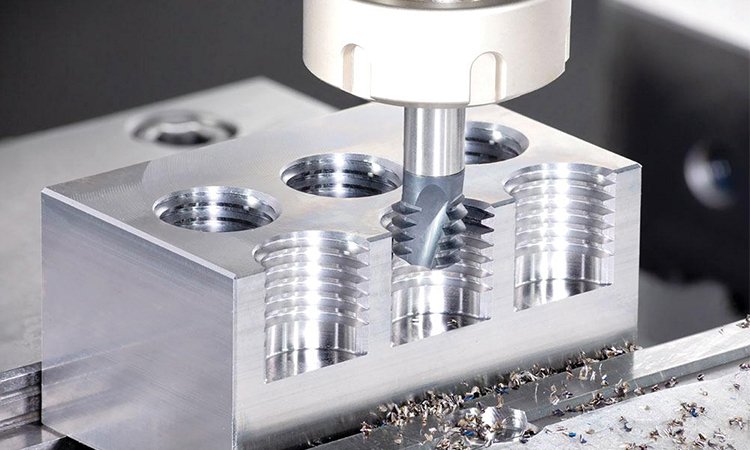
Threads are the backbone of modern engineering and manufacturing. From fastening automotive components to enabling fluid-tight joints in pipelines, threads form an indispensable element in mechanical design. Two of the most common processes for producing internal threads are tapping and threading. While seemingly straightforward, these processes require an in-depth understanding of tools, techniques, and applications to ensure both precision and productivity. This article explores the nuances of tapping and threading, delving into processes, challenges, tool designs, and modern advancements.
The Basics of Threading & Tapping
Threading is the process of creating helical grooves on the surface of a workpiece. It can be external (on shafts, bolts, studs) or internal (in nuts, holes). Threads may be cut, ground, rolled, or milled, depending on accuracy requirements.
Tapping refers specifically to the creation of internal threads using a cutting tool known as a tap. The tap is rotated & fed into a pre-drilled hole, cutting the thread profile as it progresses.Both processes are vital in producing reliable, interchangeable parts that fit together seamlessly in machines, assemblies, and structural applications.
Tapping: Process, Tools, and Variants
Tapping may seem simple, but tool design, material choice, and cutting conditions make a significant difference in results.
Hand Tapping
• Uses a tap wrench and typically a set of taps (taper, intermediate, and bottoming).
• Common in repair shops and low-volume applications.
Machine Tapping
• Performed using tapping heads or CNC machines.
• Allows consistent feed rates, reduced cycle time, and better tool life.
Tap Types
• Taper Tap – For starting threads in through holes.
• Plug Tap – Intermediate cutting, useful for both through and blind holes.
• Bottoming Tap – Creates threads to the bottom of blind holes.
Forming Taps
• Displace material plastically rather than cutting it.
• Produce stronger, burr-free threads and are excellent for ductile materials.
Threading: Methods and Techniques
External and internal threading can be achieved through a variety of methods:
• Single-point threading (lathe) – Versatile, used for custom and precision threads.
• Thread milling (CNC) – Ideal for large-diameter holes or threads in hard materials; generates minimal cutting forces.
• Thread rolling – Produces threads by cold forming; results in high-strength threads with excellent fatigue resistance.
• Thread grinding – Applied for high-precision applications such as aerospace fasteners and lead screws.
Materials, Geometry, and Cutting Conditions
Tap and Thread Tool Materials
• High-Speed Steel (HSS): Economical, durable, and suited for general machining.
• Powder Metallurgy (PM-HSS): Offers better toughness and wear resistance.
• Carbide: For high-speed tapping in hard or abrasive materials.
• Coatings: TiN, TiCN, and TiAlN coatings extend tool life and improve lubricity.
Geometry Considerations
• Flute design affects chip evacuation. Spiral point taps push chips forward (through holes), while spiral flute taps pull chips out (blind holes).
• Thread relief ensures reduced cutting forces and improved tool life.
• Helix angle determines chip control efficiency.
Cutting Conditions
• Correct pre-drill size is critical (too small leads to breakage, too large yields weak threads).
• Use of cutting fluids improves heat dissipation, reduces friction, and extends tool life.
• Feeds and speeds must be carefully matched to the material and tap design.
Common Problems in Tapping and Threading
- Tap Breakage: Often caused by poor chip evacuation, misalignment, or wrong hole size.
- Poor Surface Finish: Can result from tool wear, inadequate lubrication, or incorrect cutting parameters.
- Oversized/Undersized Threads: Caused by wear, deflection, or improper tool selection.
- Thread Misalignment: Occurs when tapping or threading setups lack rigidity.
Understanding and addressing these challenges is critical for consistent quality.
Modern Innovations in Tapping and Threading
• CNC Synchronization: Advanced CNC machines use rigid tapping cycles to precisely synchronize spindle rotation with feed, minimizing tool stress.
• Thread Whirling: Used for medical implants and miniature threads, providing high precision and surface finish.
• Specialty Coatings: Nanocomposite coatings enhance tool life in high-speed operations.
• Coolant-through Taps: Deliver cutting fluid directly at the cutting edge, improving chip removal and reducing breakage.
• Hybrid Tools: Tap-drill combination tools reduce cycle time by drilling and tapping in a single operation. Applications Across Industries
• Automotive: Fasteners, engine blocks, transmission housings.
• Aerospace: High-precision threaded holes in lightweight alloys.
• Oil & Gas: Deep-hole tapping in high-strength steels.
• Medical: Micro-threading for implants and surgical devices.
• General Engineering: Machinery, equipment, and construction fasteners.
Best Practices for Productive Tapping & Threading
- Always use the recommended drill size for tapping.
- Select taps based on hole type (through or blind) and material properties.
- Apply proper lubrication; consider MQL (minimum quantity lubrication) in CNCs.
- Monitor tool wear and replace taps before failure to prevent part rejection.
- Use floating or compensating tap holders in CNCs to accommodate minor misalignments.
Conclusion
Tapping and threading may appear routine, but they are processes that demand scientific understanding and meticulous execution. The correct choice of tools, geometries, and cutting parameters can drastically improve not only the quality of threads but also the productivity and profitability of a manufacturing setup.
With advancements in materials, coatings, and CNC synchronization, tapping and threading have evolved into highly efficient and precise operations, capable of meeting the ever-growing demands of industries ranging from automotive to aerospace.
As manufacturing continues its journey toward higher precision and automation, mastering the nuances of tapping and threading remains fundamental to producing reliable and high-quality threaded components.